The honest 11-point comparison
| Factor | Developer new build | Self-build |
|---|---|---|
| Design | Standard layouts for broad appeal | Designed around your household |
| Location | Where the developer has land | The plot you choose |
| Space | Fixed by the developer's house types | Planned around your needs; total cost depends on the plot, design and specification |
| Specification | Developer standard, upgrades at a premium | Your choice throughout |
| Sustainability | Meets minimum standards | Can be designed to Passivhaus principles |
| Tax | LBTT on the full price | LBTT on the plot only |
| Timeline | 6–18 months | 2–4 years |
| Risk | The developer manages construction, although purchasers still face completion, insolvency and defect risks | You do, managed through contracts and your team |
| Cost certainty | Usually an agreed purchase price, subject to contract and upgrades | Depends on design, tender, contract and exclusions |
| Flexibility | Limited to the developer's range | Every decision is yours |
| Outcome | A home anyone could buy | A home built for your life |
The LBTT advantage
Land and Buildings Transaction Tax is charged on what you buy, not what you build. So a self-builder buying a bare plot normally pays it on the land purchased, subject to how the transaction is classified and the rules that apply, rather than on the finished value of the house. The difference compared with buying a finished home depends on the nature and value of each transaction, so it isn't a typical saving you can count on.
Who self-build suits
- People with a clear vision for a home they can't find on the market.
- Families at a turning point: retirement, children leaving home, or a move to a new area.
- People who already own land, where the economics are especially strong.
- People willing to commit time and attention over 2–4 years.
If none of these describe you, a developer new-build or a turnkey self-build may suit you better, and that's useful to know before you start.
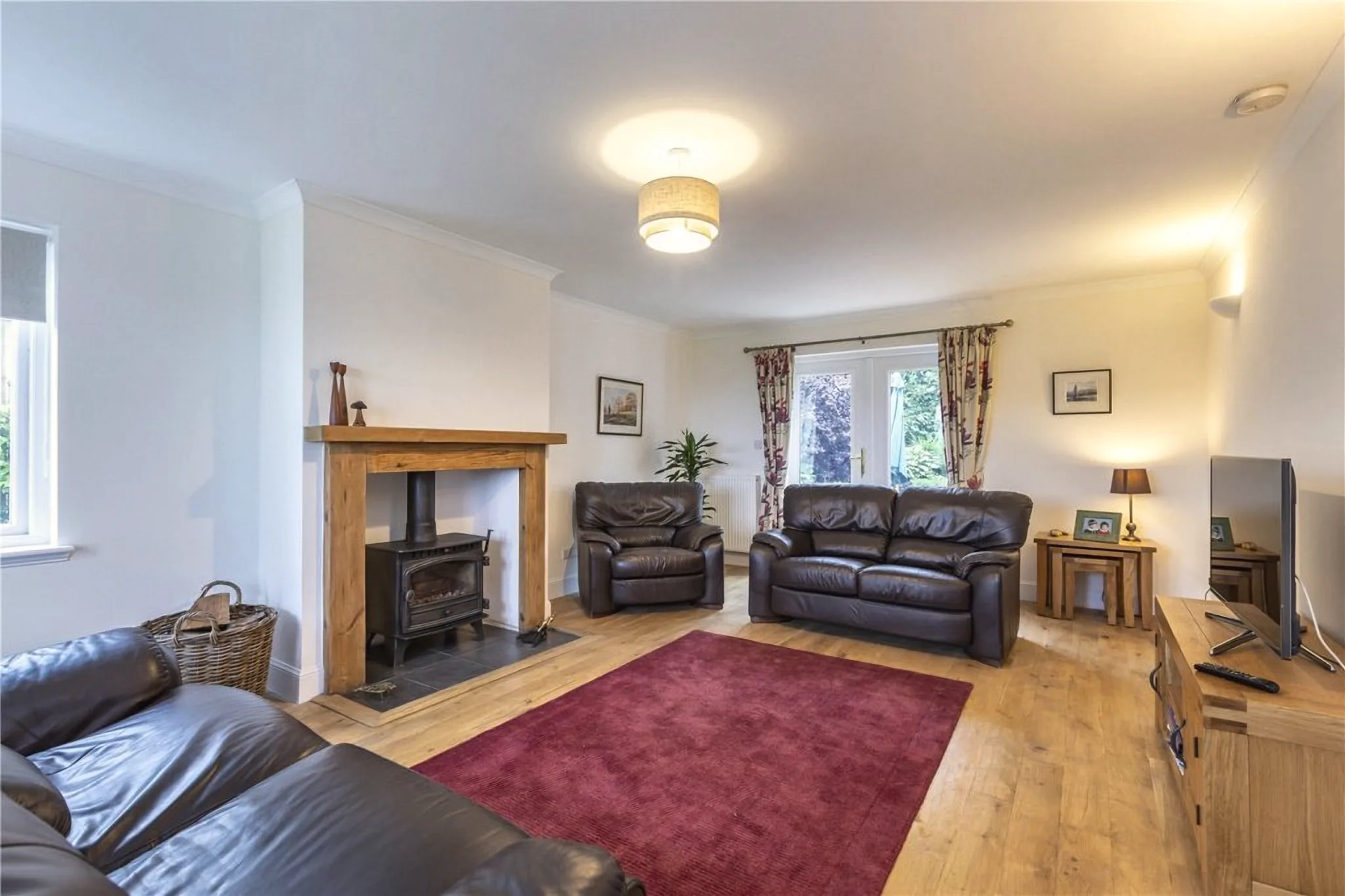
Self-build can offer greater control over layout, materials and performance, but it doesn't guarantee a lower overall cost.
Next steps
Sources: Revenue Scotland: Land and Buildings Transaction Tax; HMRC: VAT for builders, new homes. Last reviewed October 2026.
General guidance for Scotland, not legal, tax, financial or planning advice for your project. Rules change, so check current official guidance and take advice specific to your site before acting.