Planning policy
Many councils support replacing an existing home, especially in the countryside where new houses are otherwise restricted. Policies vary on size, siting and the condition of the existing building, so we check yours first.

An existing property may occupy an exceptional site without making the most of its potential.
ED Design helps homeowners explore the possibilities of replacing an existing dwelling with a contemporary home better suited to their lifestyle and the surrounding setting.
We consider the planning context, site constraints, architectural opportunities and practical requirements from the earliest stages. Replacement isn't automatic: each council assesses the existing building and the site against its own policies, so we look at that first.
Every site is different, and so is the planning policy behind it. We assess each one individually.
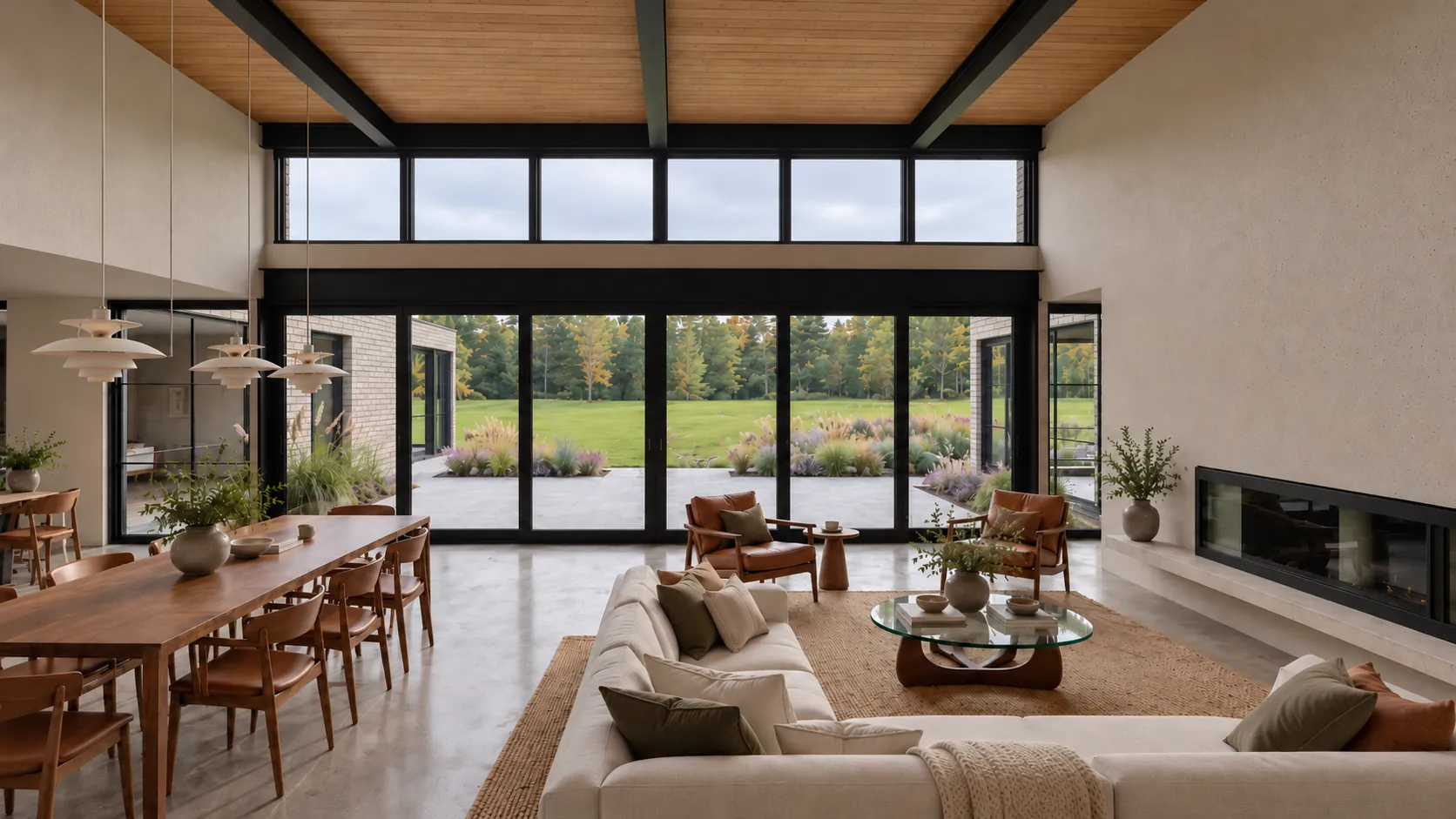
Replacing a dated, poorly insulated house with a home designed around how you live now.
Where repair isn't realistic, a new home on the footprint of the old.
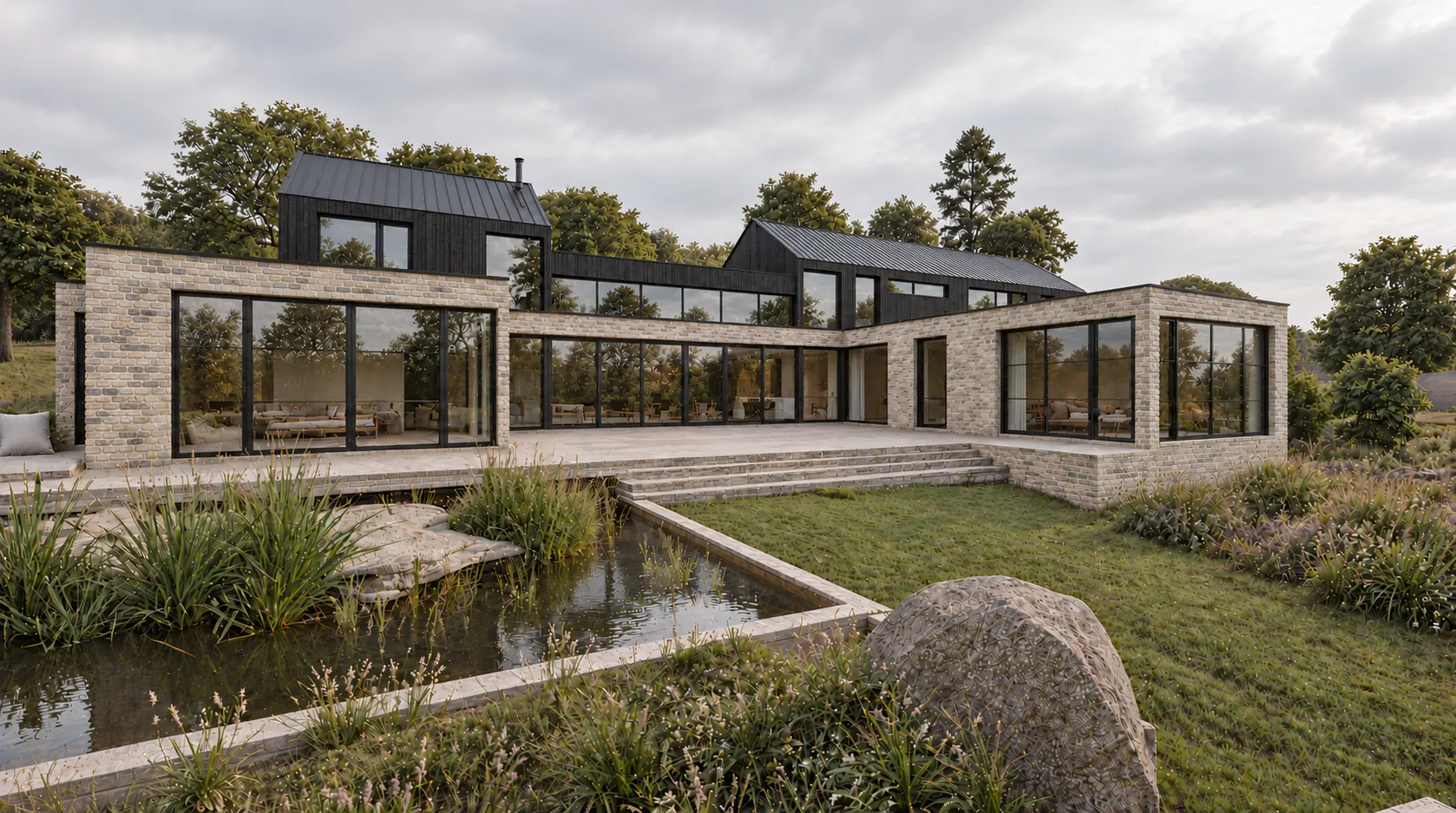
Rural sites given new life with a contemporary home that suits the landscape.
Replacements designed to satisfy the extra scrutiny of a sensitive setting.
Replacing a house that no longer works with one that supports ageing in place.
Starting again to reach energy performance a renovation couldn't achieve.
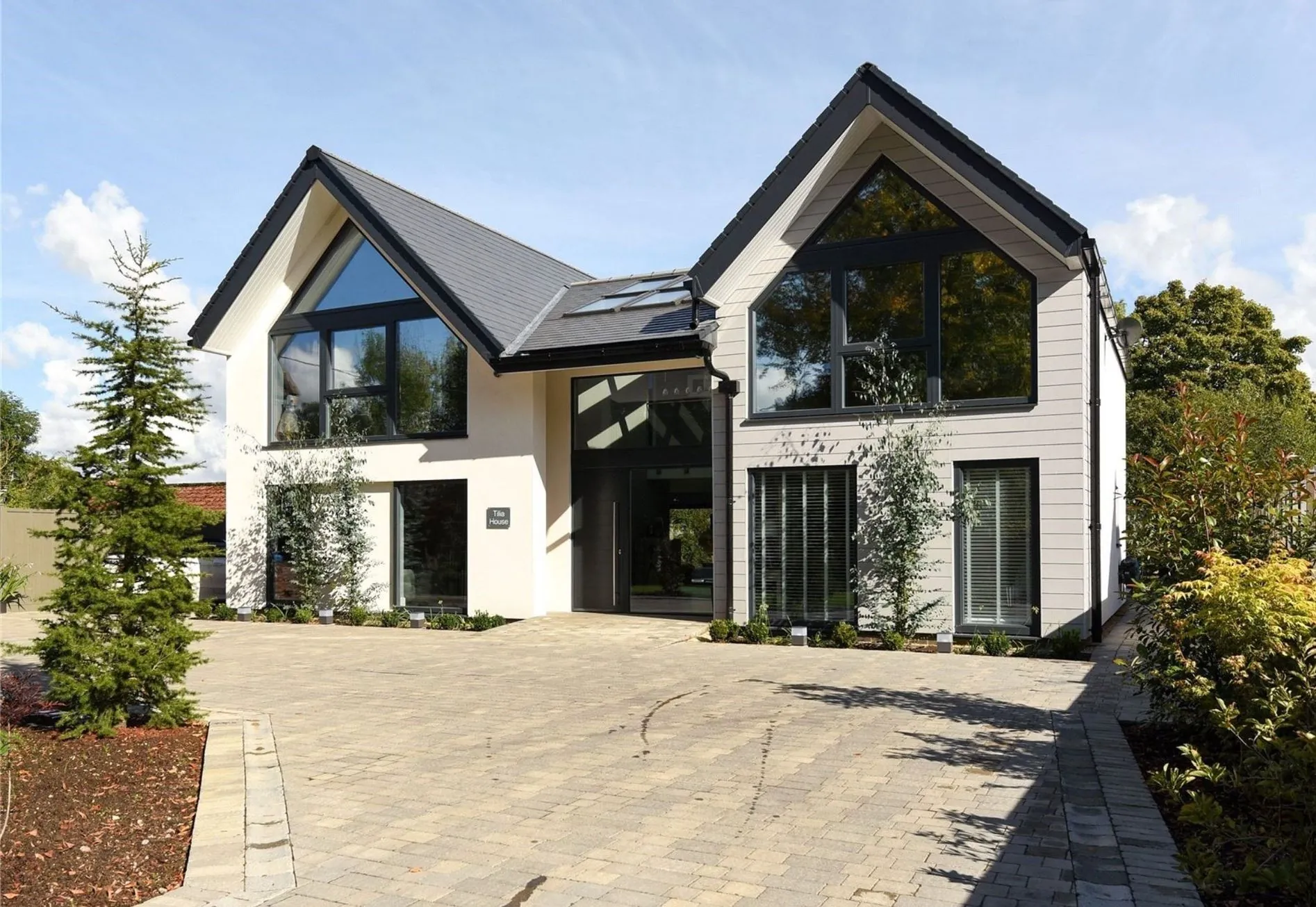
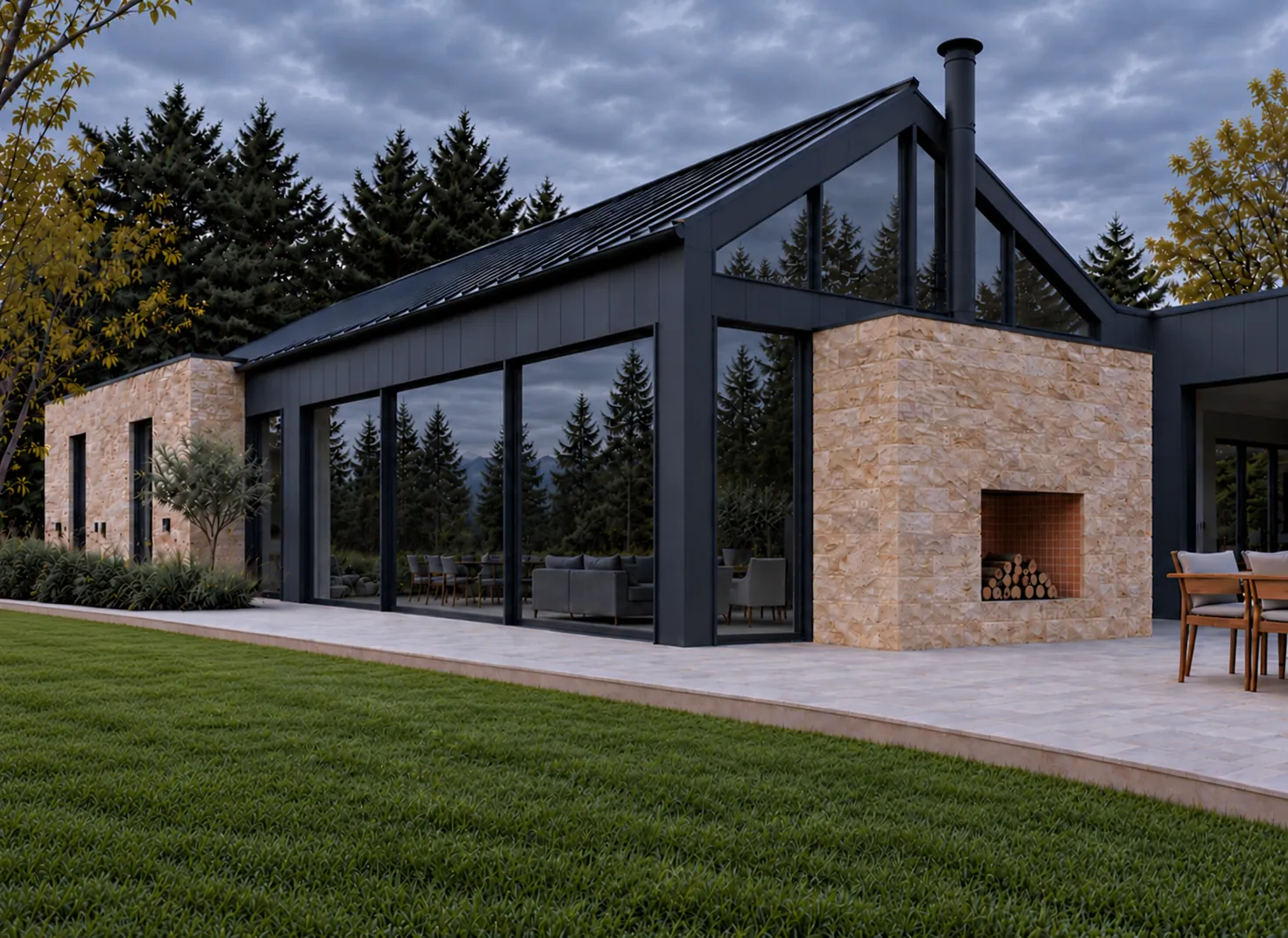
Two homes that replaced the buildings before them. View the full portfolio.
Replacement projects have their own planning and practical questions. We help you answer them early.
Many councils support replacing an existing home, especially in the countryside where new houses are otherwise restricted. Policies vary on size, siting and the condition of the existing building, so we check yours first.
Demolition requirements depend on the building and site. A demolition warrant or other statutory permissions may be required, with additional controls applying to listed buildings and certain conservation-area properties. The applicable requirements should be checked before work begins.
Older buildings often need ecology surveys, particularly for bats, before demolition can be approved. Allow time for these early.
Reusing existing access and services can save money, but they often need upgrading for a new home.
Unlike an extension, you will need somewhere to live during the build. Plan the programme around it.
VAT treatment can be materially different for a qualifying new dwelling compared with a renovation or conversion. Whether a replacement project qualifies for zero-rating depends on HMRC's detailed rules, including the treatment of the existing building. Obtain project-specific VAT advice before committing to a demolition or construction strategy.
Before deciding to renovate or rebuild, we can help you explore the architectural potential of both approaches, taking account of planning policy, the existing building and your long-term requirements.
Replacement homes follow our eight stages. The early stages focus on planning policy and site surveys, which shape everything else. See every stage in detail or read our fee guide.
Often, yes. The new home will generally need planning permission, and demolition may need a warrant or other statutory permissions, with additional controls for listed buildings and certain conservation-area properties. Council policies vary, so we review your site and the local plan before any design work starts.
Often it is. Many rural planning policies support replacing an existing house where a new one would not be allowed, subject to conditions on size, siting and the existing building.
Quite possibly. Older buildings and roof spaces are often used by bats, which are protected, so councils commonly ask for a survey before approving demolition.
It depends on the condition of the existing house, your plans and the planning position. We help you compare both options at the first stage, before you commit to either.
“Chris has a great eye for design, understood what we wanted and was able to make some innovative suggestions.”
Tell us about your property and what you hope to achieve. We'll give you an honest view of whether replacement is the right route.