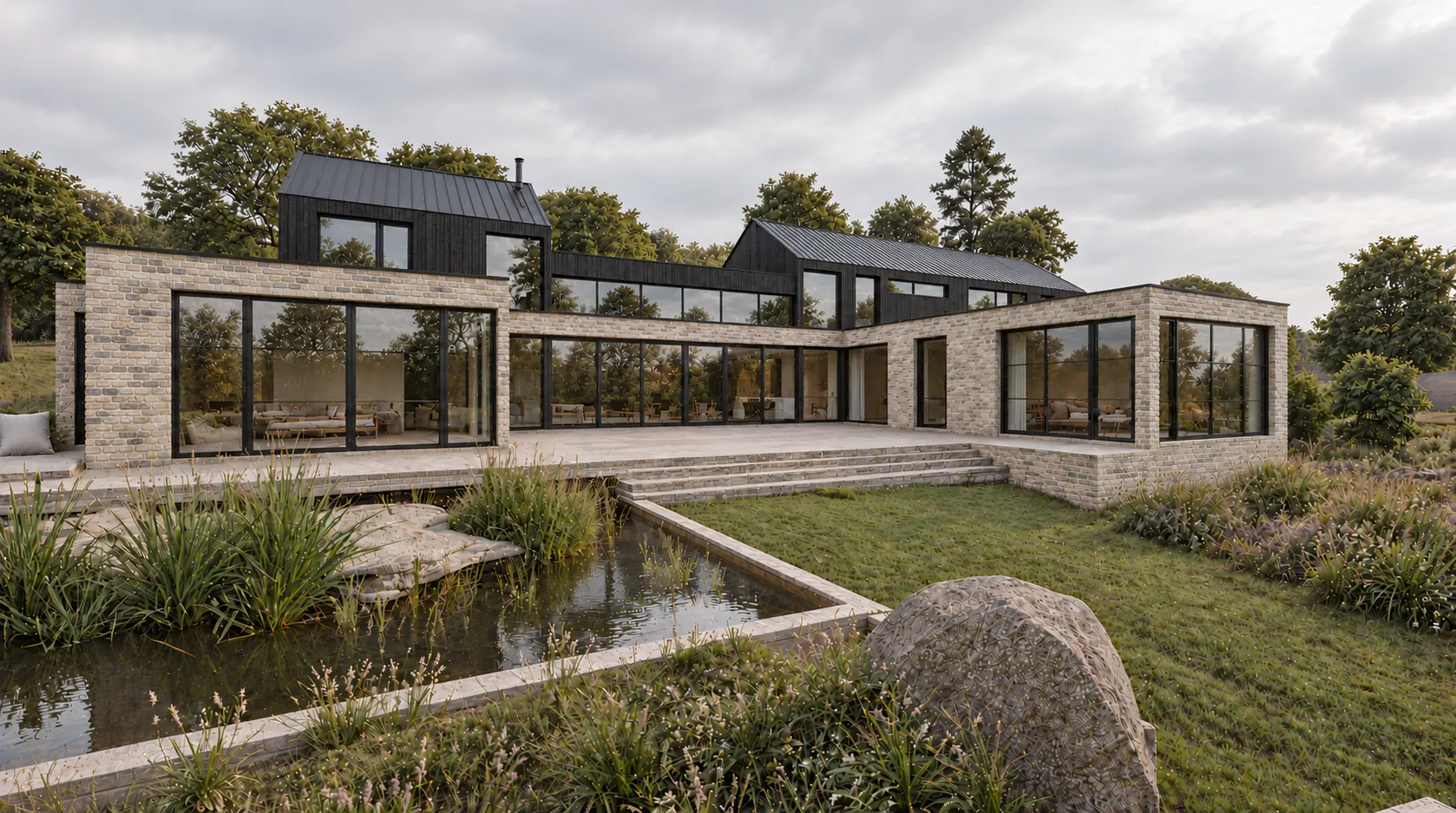

Is replacing a house easier than building on an empty plot?
It can be, especially where there is an established lawful dwelling and the proposed replacement is appropriate for the site. But the planning authority will still consider the principle of development, the status of the existing building, scale, siting, access, landscape and neighbouring properties.
In rural Scotland, NPF4 Policy 17 identifies particular circumstances in which new homes may be supported, including a one-for-one replacement of an existing permanent house. It is not a blanket permission to replace any structure with a new dwelling. The relevant Local Development Plan and the precise policy criteria must also be considered.
What if the building is derelict?
A derelict cottage, a former agricultural building and an existing lawful home can have very different planning positions. Establish whether the building was a permanent dwelling, whether residential use remains lawful, its physical condition and whether the proposal is truly a replacement or, in effect, a new house in the countryside.
Before buying, obtain the planning history, title information, photographs and a survey. Where the position is uncertain, take planning advice before relying on the existing structure as justification for a new home.
Can the replacement be larger or contemporary?
Possibly. The answer depends on the site and the applicable policies, not simply the style of architecture. A carefully sited contemporary house may respond better to the landscape than an enlarged imitation of the original building.
Think about the opportunities before fixing the floor plan: can the new house improve daylight, orientation, accessibility, energy performance and the relationship to the garden? Could a simpler form reduce cost and sit more quietly in the landscape?
Demolition, VAT and Building Warrants
- Planning. Confirm that the consent covers demolition and the proposed new dwelling, together with any conditions.
- Heritage. Listed building consent or conservation area consent may be required for certain demolition works. Check before starting.
- Building Standards. The new dwelling needs an approved Building Warrant before warrantable construction begins; demolition can have separate requirements.
- VAT. A qualifying new dwelling may benefit from zero-rating and, where eligible, the DIY Housebuilders Scheme. The tax treatment depends on the works and the status of any retained structure. Do not assume every rebuild qualifies.
- Services and ground. Existing connections may be reusable, but capacity, route, condition and cost still need checking.
HMRC's rules for a new building are particularly important where part of the original structure will remain. Discuss the proposed demolition and retention strategy with a VAT specialist before works begin.
A design-led approach to replacement
ED Design has designed replacement homes on rural sites in Perthshire and the Scottish Borders, including a home in Auchterarder planned for later life and easier long-term maintenance. These projects start by asking what the existing site offers, from views and shelter to established access and landscape, and what a new home could do better.
A replacement dwelling is an opportunity to improve how a home works, not simply to exchange an old building for a new one.
Questions
Can I replace a bungalow with a two-storey house?
Possibly, but increased height, scale, overlooking and landscape impact must be assessed against planning policy.
Can I replace a derelict farm building with a house?
Not automatically. The former use and status of the building, site policy and the design proposal are critical.
Do I need to demolish before applying?
Usually it is better to establish the planning and technical route first. Early demolition can undermine evidence of an existing building and affect consent or VAT eligibility.
Is a replacement dwelling always VAT-free?
No. Eligibility depends on HMRC's conditions and how the work is procured and carried out.
General guidance for Scotland, not legal, tax, financial or planning advice for your project. Rules change, so check current official guidance and take advice specific to your site before acting.