The 2024 Local Development Plan
Applications are decided by Scottish Borders Council against NPF4 and the Scottish Borders Local Development Plan 2024 (LDP2), adopted on 22 August 2024. The council's supplementary guidance, such as New Housing in the Borders Countryside (2008) and Placemaking and Design (2010), is still used alongside it.
Housing in the countryside
Policy HD2, Housing in the Countryside, sets out when a new house outside a settlement can be supported. In broad terms, the routes include:
- Building groups. Adding a house to an existing group of houses, where the group and the site meet the council's criteria.
- Conversions. Converting a suitable existing building to a house.
- Restoration and replacement. Restoring or replacing an existing house, subject to its condition and history.
- Economic need. A house needed for a rural business.
Each route has detailed tests, and the wording of the adopted policy and guidance decides the case. NPF4 Policy 17 on rural homes applies too.
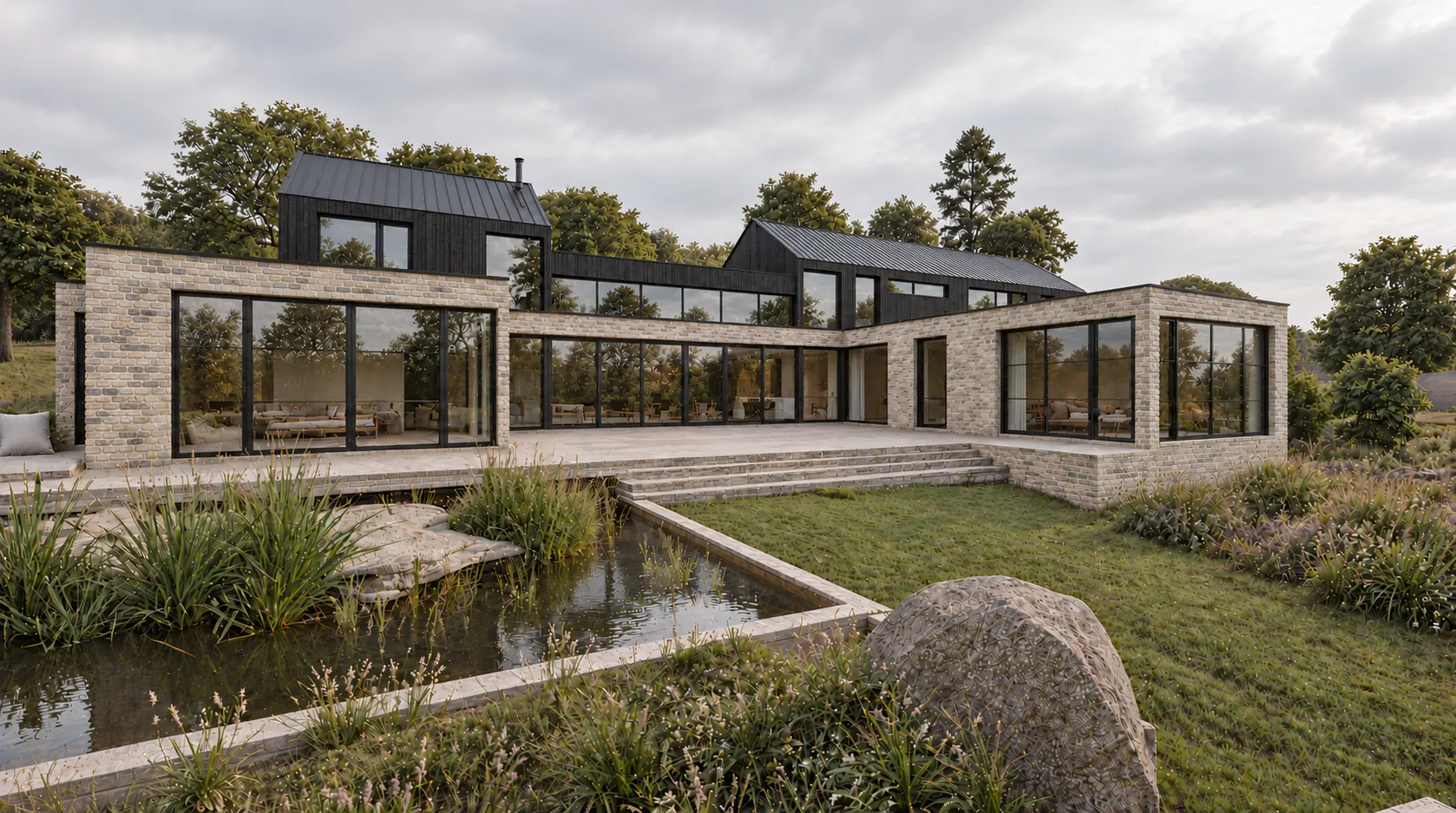
Near Melrose, ED Design designed a contemporary family home to replace a group of dilapidated agricultural cottages. Whether a replacement is supported depends on the existing buildings and the council's assessment of them.
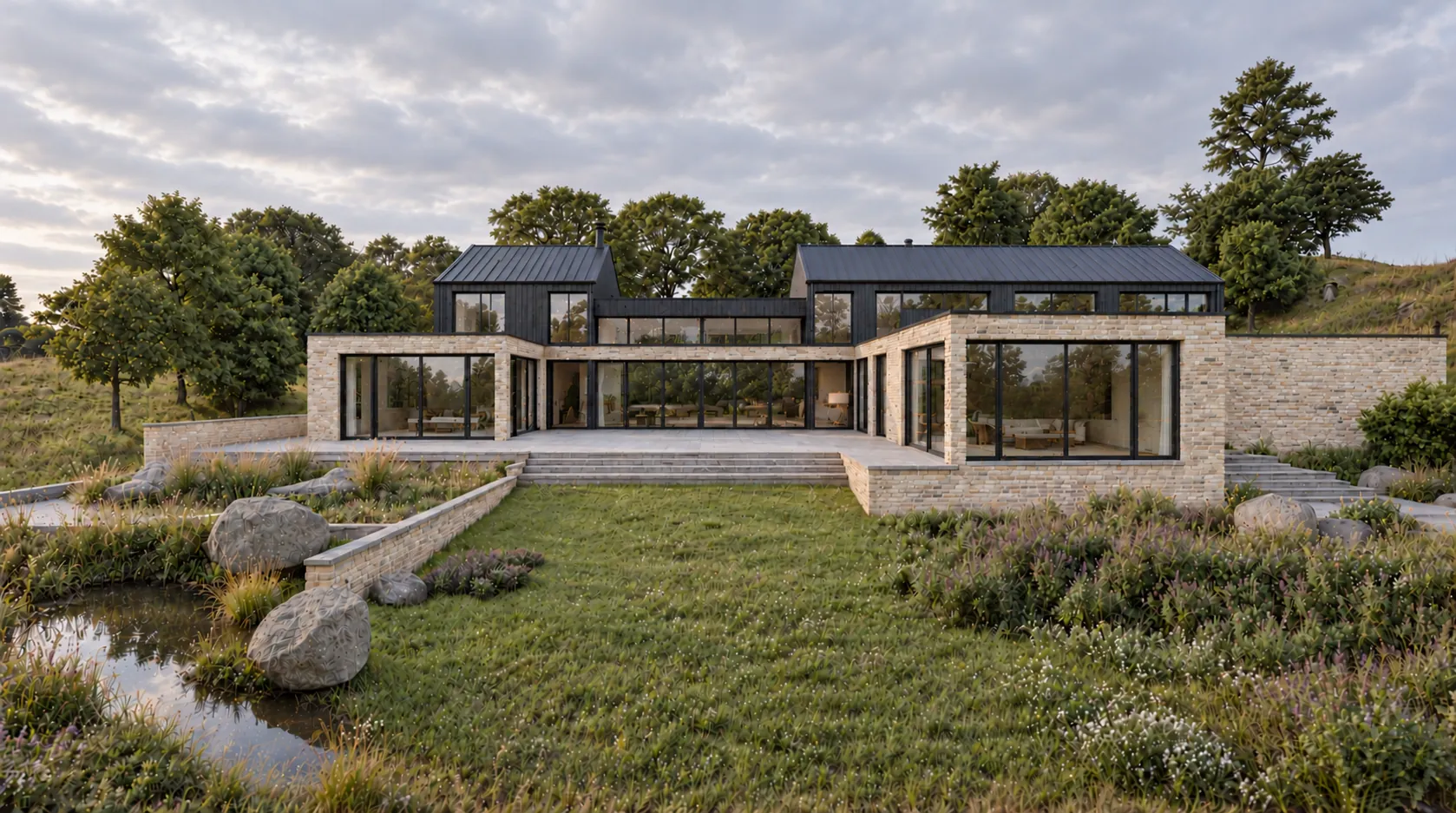 Replacement dwelling: design visual
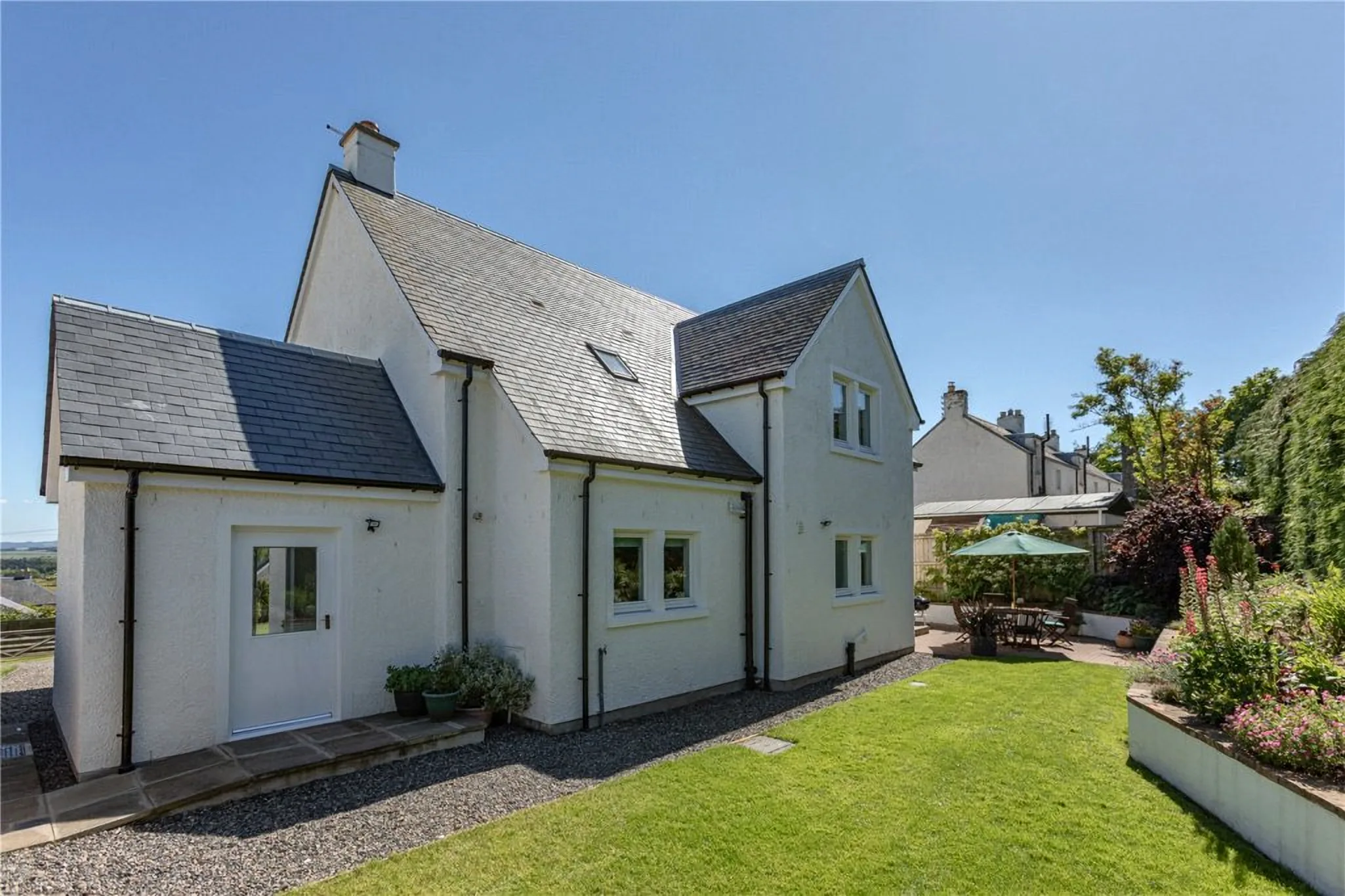
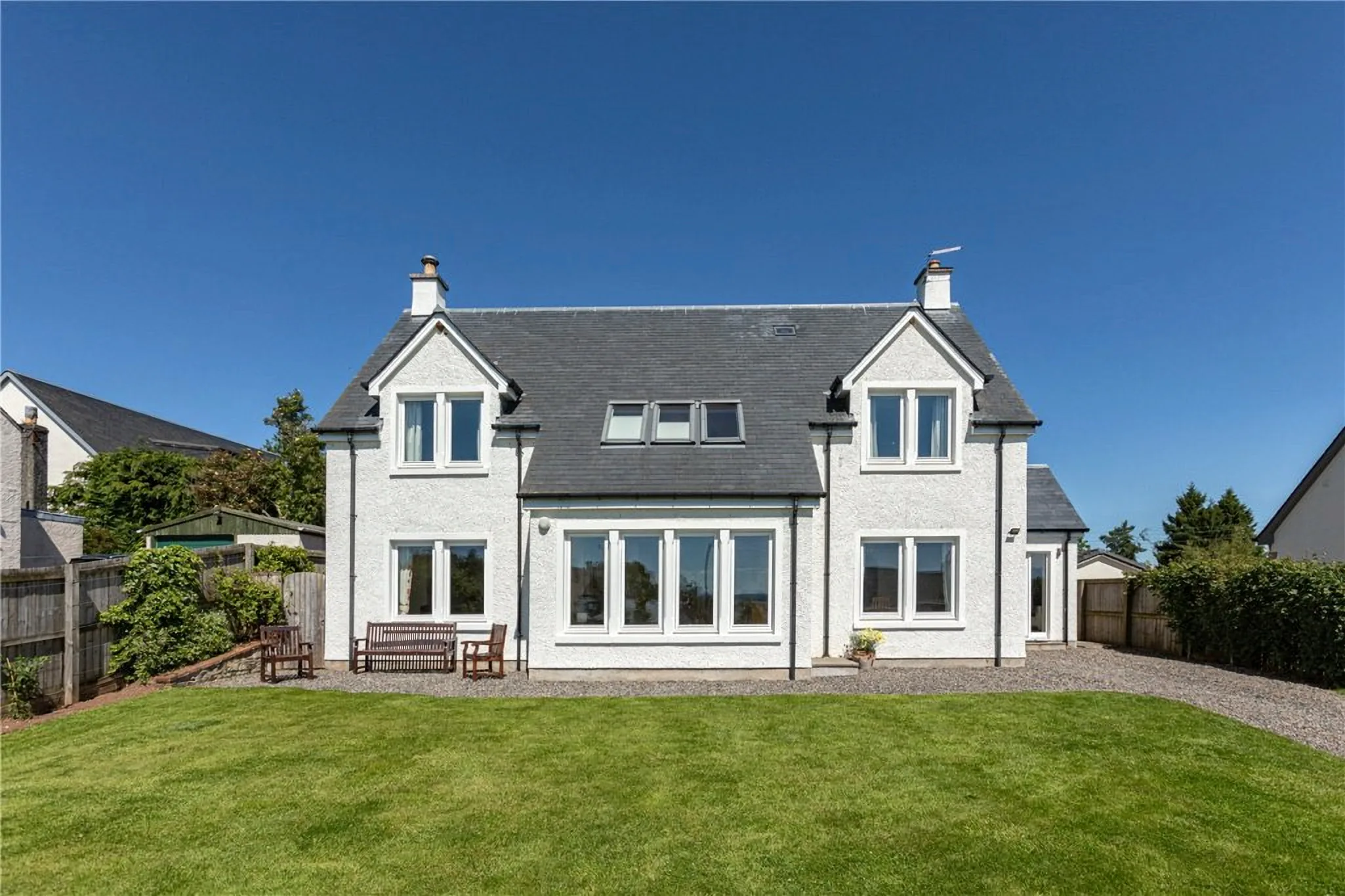 Village home, Melrose: completed project
Landscape and design
The Borders includes two National Scenic Areas, Eildon and Leaderfoot and Upper Tweeddale, and locally designated Special Landscape Areas (Policy EP5). Sites in or near them get closer scrutiny of siting, scale and materials.
Policy PMD2, Quality Standards, applies to every new home. Well-designed contemporary houses are generally well received when they respond to the landform, the building group and local materials.
Drainage, the Tweed and services
Many rural plots have no public sewer or mains water. Policy IS9 covers waste water treatment and sustainable drainage, and a private treatment system needs suitable ground, space and SEPA authorisation.
The River Tweed and its tributaries are a Special Area of Conservation. Sites near the river system can attract conditions on pollution prevention during construction, and the drainage design matters to the council and consultees.
Developer contributions may apply, including, in some areas, contributions related to the Borders Railway (Policy IS3).
What plots cost
| Area | Village or serviced | Rural with planning | Rural without planning |
|---|---|---|---|
| Melrose and St Boswells | £80,000–£160,000 | £90,000–£180,000 | £40,000–£90,000 |
| Rural Borders | £65,000–£130,000 | £75,000–£160,000 | £35,000–£80,000 |
Indicative ranges from ED Design's experience of the local market, not valuations.
What we check first
- Settlement boundary, building group or open countryside
- Which HD2 route, if any, the site could meet
- National Scenic Area or Special Landscape Area
- Conservation area in towns such as Melrose
- Drainage, proximity to the Tweed system and flood risk
- Developer contributions that may apply
Our founder began his career in the Borders, and the studio designs homes across the region. Talk to us about a plot.
Sources: Scottish Borders Council: Adopted Local Development Plan 2; Scottish Government: National Planning Framework 4; SEPA flood maps. Last reviewed October 2026.
Questions
When was the Scottish Borders Local Development Plan adopted?
LDP2 was adopted on 22 August 2024. It is read together with NPF4.
Can I build a house next to existing houses in the Borders countryside?
Possibly. Policy HD2 can support new houses that add to an existing building group, subject to detailed criteria in the policy and the council's guidance.
Can I replace a derelict cottage in the Borders?
Replacement can be a route to a new rural home, but it isn't automatic. The council assesses the existing building, its condition and history, and the design of the replacement.
General guidance for Scotland, not legal, tax, financial or planning advice for your project. Rules change, so check current official guidance and take advice specific to your site before acting.