A portrait, not a wish list
No designer can create the right home without understanding how you live. The brief isn't a list of rooms. It's a portrait of your life and what your home needs to support.
Five things a good brief covers
- How you actually live. Rather than "an open-plan kitchen", describe what happens there: who cooks, when, whether homework happens at the table, whether it doubles as an office at 9am.
- How spaces relate. A room list says little. Should the kitchen feel connected to the garden? Does the office need to be away from family noise? Where does muddy kit go after a day in the hills?
- The site and landscape. The light, the views towards and away, and how you feel about them.
- What matters most, and what's flexible. Every project trades space against budget and glazing against energy. Knowing your fixed points lets the design reflect your real priorities.
- Quality and longevity. The finish you want, how much running costs matter, and whether this is a home for life.
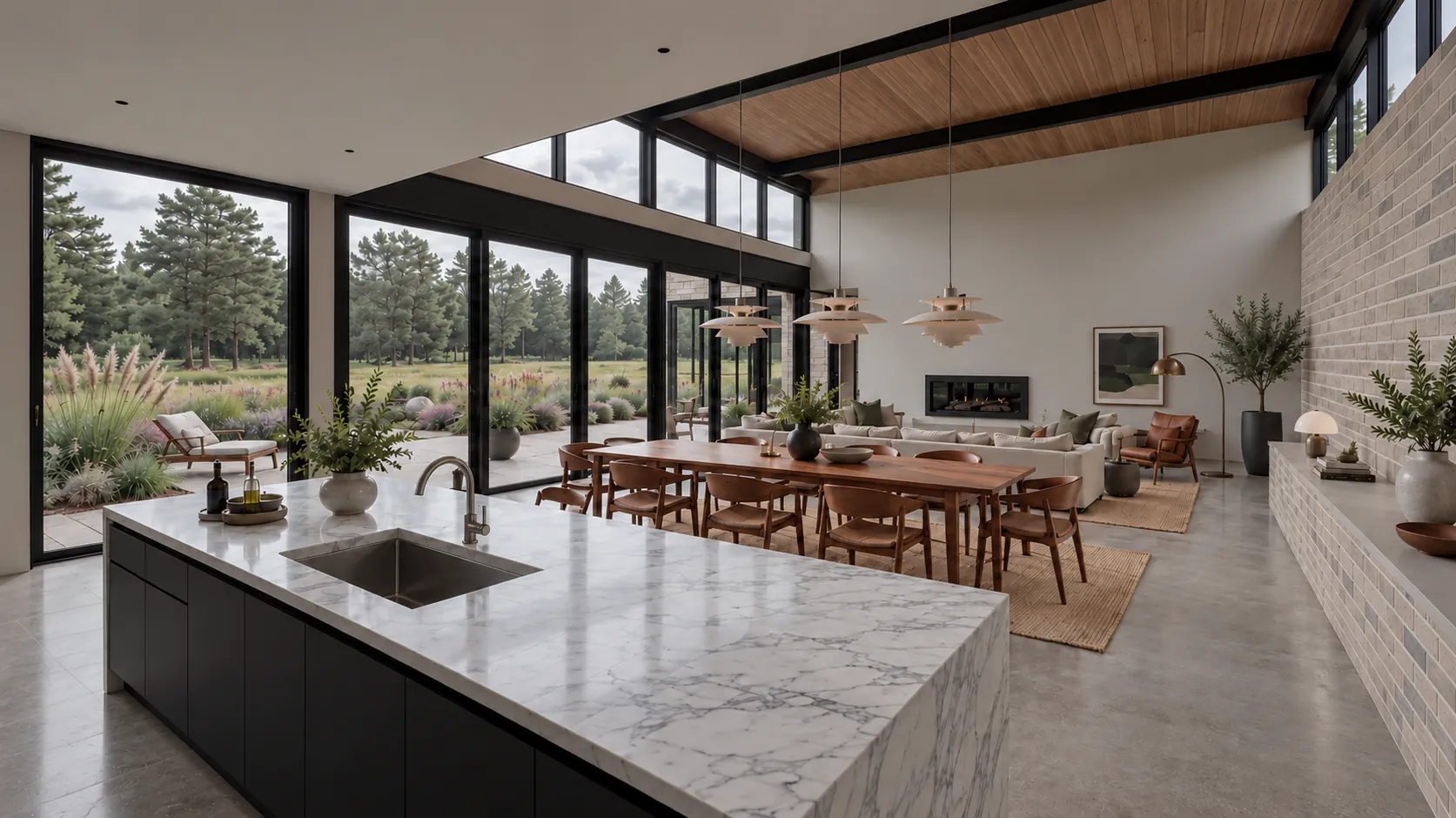
The brief isn't a list of rooms. It's a portrait of your life and what your home needs to support.
Thirteen questions to start your brief
- Who lives in the household now, and who might in ten years?
- Describe a typical weekday morning, from waking to leaving the house.
- What do you love most about where you live now?
- What frustrates you most about it?
- What's the best indoor space you've ever been in?
- Which materials, textures or colours make you feel at home?
- Do large areas of glass feel exciting or exposing?
- Do you prefer separate rooms or open, connected spaces?
- How important is the connection between inside and out?
- What does your household do that your current home doesn't support well?
- With an unlimited budget, what one feature would your home have?
- What one thing do you most want to avoid?
- How do you want to feel when you come home at the end of the day?
How we approach the brief
We start every project with conversations, not a form. We visit the site, talk about life as it is and as you want it to be, and listen for the things that aren't always said directly. The brief is stage one of our eight-stage process.
Continue reading
General guidance for Scotland, not legal, tax, financial or planning advice for your project. Rules change, so check current official guidance and take advice specific to your site before acting.