
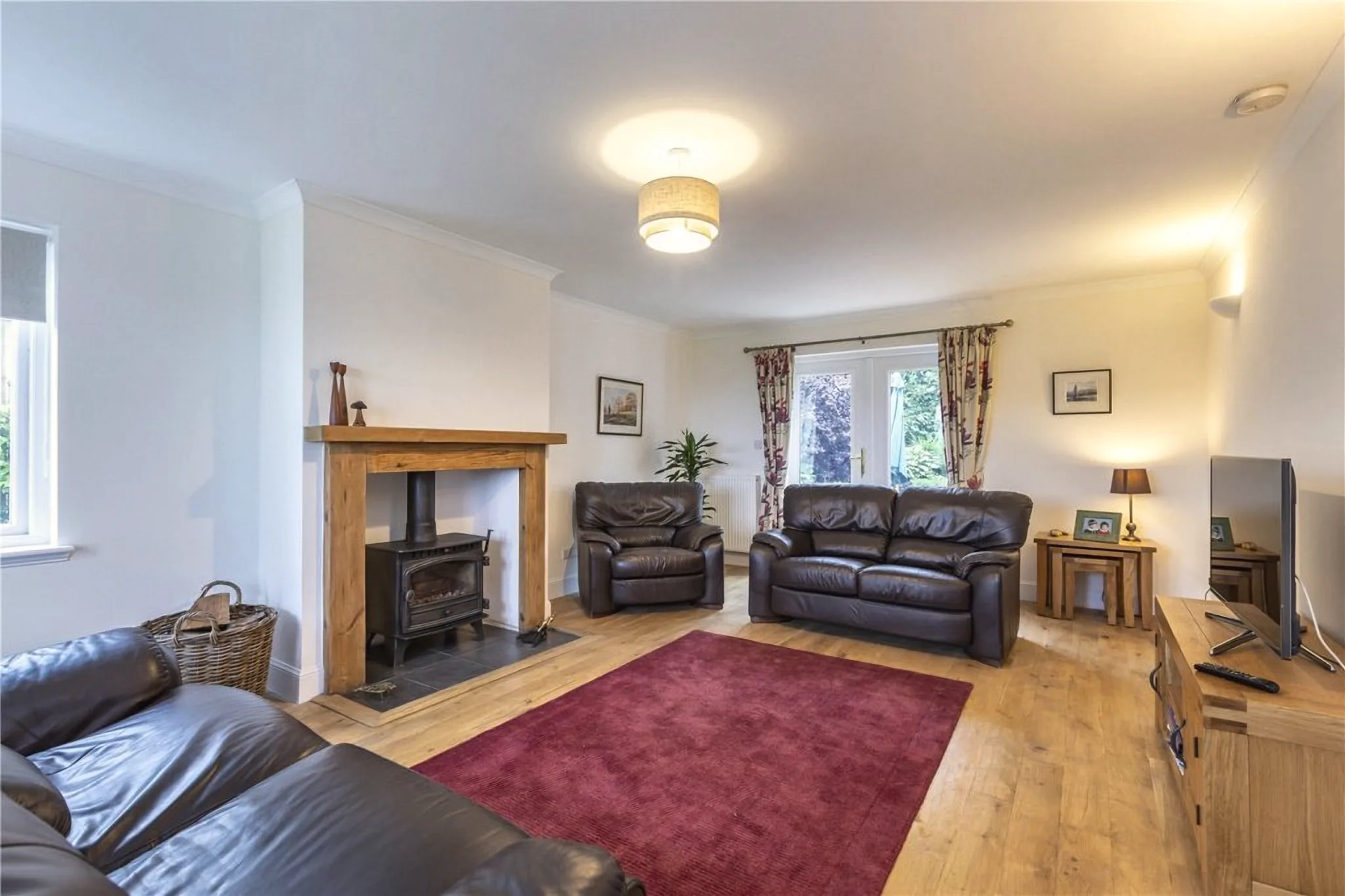
What snagging is
Snagging records defects at practical completion: anything incomplete, badly done, damaged or not to specification. The builder puts these right at no extra cost.
It isn't the same as the Building Standards inspection. Building Standards checks compliance with the warrant. Snagging checks the work against your drawings and specification, which is usually a higher bar.
Room-by-room checklist
| Area | What to check |
|---|---|
| Plasterwork | No cracks, hollows or uneven surfaces; straight corners; no marks |
| Floors | Tiles aligned and fully grouted, with no hollow spots; timber without squeaks or gaps |
| Ceilings | Level, with no cracks at wall junctions; fittings flush |
| Joinery | Doors hang, close and lock properly; hinges secure; skirtings fixed and filled |
| Windows | Handles, restrictors and locks fitted; reveals finished; glass unscratched |
| Stairs | Balustrades and handrails secure; no movement in treads |
| Kitchen | Units level and secure; drawers run smoothly; appliances tested |
| Bathrooms | Tiling and sealing complete; sanitaryware secure; taps and showers tested; no leaks |
| Electrics | Sockets and switches work; consumer unit labelled; smoke and heat alarms tested |
| Heating | Every zone reaches temperature; heat pump commissioned |
| Ventilation | MVHR terminals in the right places and commissioned to design airflows |
| Outside and roof | Flashings sealed; gutters falling to outlets; cladding complete; gullies clear |
Six things most often missed
- Airtightness. Only a pressure test confirms whether the target was met.
- MVHR commissioning. The system must be set to the design airflows at every terminal. Ask for the report.
- Drainage falls, particularly at changes of direction.
- Roof flashings, the most common source of later leaks. Binoculars or a drone survey are worthwhile.
- Cold spots. Condensation or mould at junctions in the first winter points to a thermal bridge.
- Documents. As-built drawings, manuals, guarantees and certificates are part of what you've paid for.
A trained eye spots what others miss: a flashing fitted wrongly, a detail built differently from the drawings, a ventilation terminal in the wrong place.
Questions
How long does snagging take?
The inspection usually takes half a day to a day. Putting things right can take from a few days to several weeks.
What if the builder won't fix something?
The retention exists for exactly this. If a dispute continues, the contract's dispute resolution process applies.
General guidance for Scotland, not legal, tax, financial or planning advice for your project. Rules change, so check current official guidance and take advice specific to your site before acting.