

What contract administration involves
Contract administration is only carried out by a designer or other professional who has been separately appointed to do it, and only within the duties set out in that appointment and the building contract. Where it is part of the appointment, it typically involves:
- Regular site visits, more often at key stages such as groundworks, frame erection, roofing and first fix.
- Certifying payments. The builder applies for payment at agreed intervals, the work properly done is valued, and you pay what's certified, not what's claimed.
- Instructing changes. Any change to the design or specification is formally instructed, so its cost and time are agreed.
- Quality. Work below the agreed standard is identified and put right at the builder's cost.
- Programme. Progress is monitored, and delays and extensions of time are assessed.
- The final certificate, once the defects period has ended and every defect is resolved.
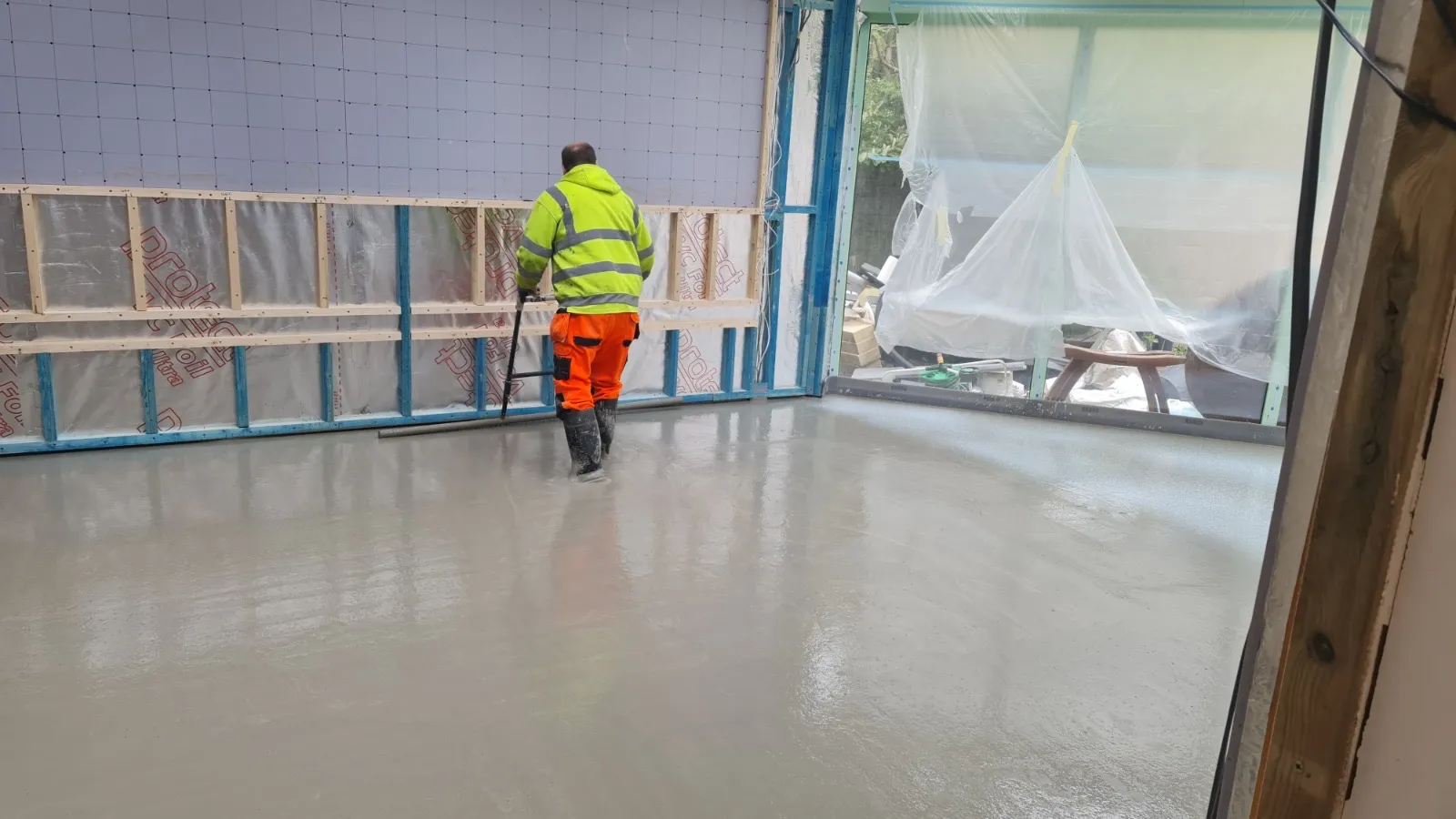
Retention
Retention is a percentage of each payment held back until set milestones. A common arrangement is 5%, with half released at practical completion and the rest at the end of a twelve-month defects period. The percentage and the length of the defects period are set in the contract, so agree them before you sign.
On a £500,000 contract, £12,500 is still held after practical completion. It's your leverage to get snags and first-year defects fixed. Releasing it early removes that leverage just when you need it.
You pay what's certified, not what's claimed.
When a separate project manager helps
- Very large or complex projects.
- Where you're employing separate trades directly rather than a main contractor.
- Where the design team's appointment ends at the Building Warrant.
As the build nears completion
Contract administration runs through practical completion and into the defects period. The order of events at the end matters for your VAT reclaim, your lender and your right to move in.
Questions
Can I manage the build myself?
You can, but you lose an independent, technical check on payments and quality, which is where self-builders most often lose money or accept poor work without realising it.
General guidance for Scotland, not legal, tax, financial or planning advice for your project. Rules change, so check current official guidance and take advice specific to your site before acting.