Scottish rules, not English ones
Householder permitted development rights in Scotland are set by Scottish legislation and differ significantly from England's. Always check the Scottish rules, not an English calculator.
What can be built under permitted development
Within strict limits on size, height and position, permitted development can cover:
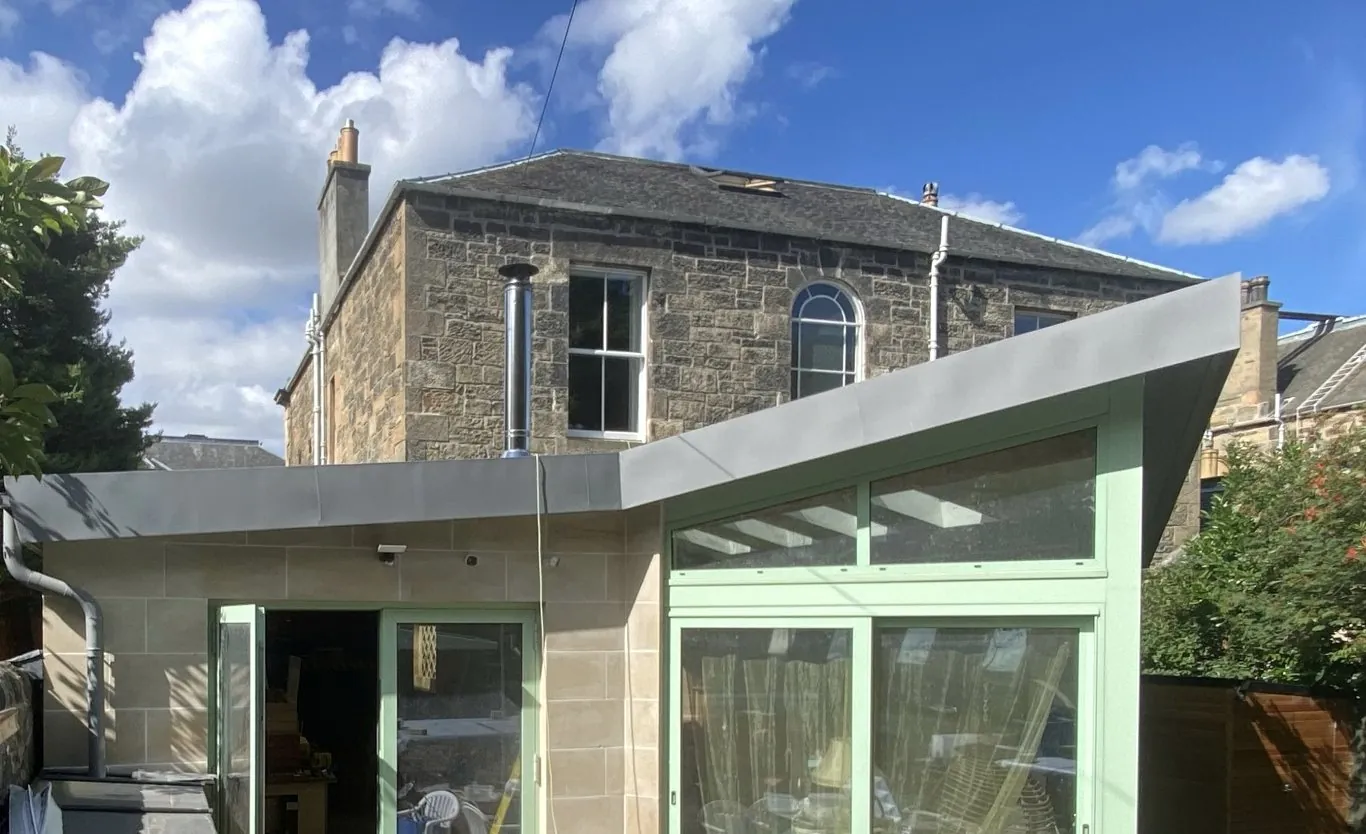
- Single-storey extensions, and some ground-floor extensions of more than one storey
- Some roof alterations, such as dormers on a roof plane that does not front a road (not in conservation areas)
- Porches
- Outbuildings such as garden offices, sheds and garages
- Decking, hard surfaces, gates, fences and walls
- Solar panels and other domestic renewables
- Some replacement windows
- Access ramps
Where the rights are restricted
- Listed buildings. Works affecting a listed building usually need listed building consent, whatever their size.
- Conservation areas. Many works allowed elsewhere need a planning application.
- Article 4 Directions. A council can remove permitted development rights for particular properties or areas.
- National Parks and other designated areas can carry extra restrictions.
Permitted development only removes the need for planning permission. Many works that don't need planning still need a Building Warrant.
Extending your home? See our extensions and renovations service.
Sources: Scottish Government: Planning Circular 3/2022, development management procedures. Last reviewed October 2026.
Questions
Do permitted development rights apply to new houses?
No. Permitted development applies to alterations and additions to existing homes. A new house always needs planning permission.
Does permitted development mean I don't need a Building Warrant?
No. Many works that don't need planning permission still need a Building Warrant.
General guidance for Scotland, not legal, tax, financial or planning advice for your project. Rules change, so check current official guidance and take advice specific to your site before acting.